If your business offers Wi-Fi to the public, you are effectively acting as an internet access provider for your visitors. In Indonesia, that comes with a legal responsibility that many businesses overlook: keeping records of who used your connection and when.
Why access logs matter
Indonesian electronic system regulations require operators to keep access records (connection logs) for a defined period so they can be provided to authorities if an incident is investigated. Without them, the owner of the internet connection can be the one held accountable for whatever a guest does online. Logs protect the business, not just the regulator.
What should be recorded
- User identity: the login account, phone number, or ID captured at the portal.
- Device details: IP address and MAC address assigned during the session.
- Session times: when the user connected and disconnected.
- Location: which site or access point the session belonged to.
How Portalista handles it
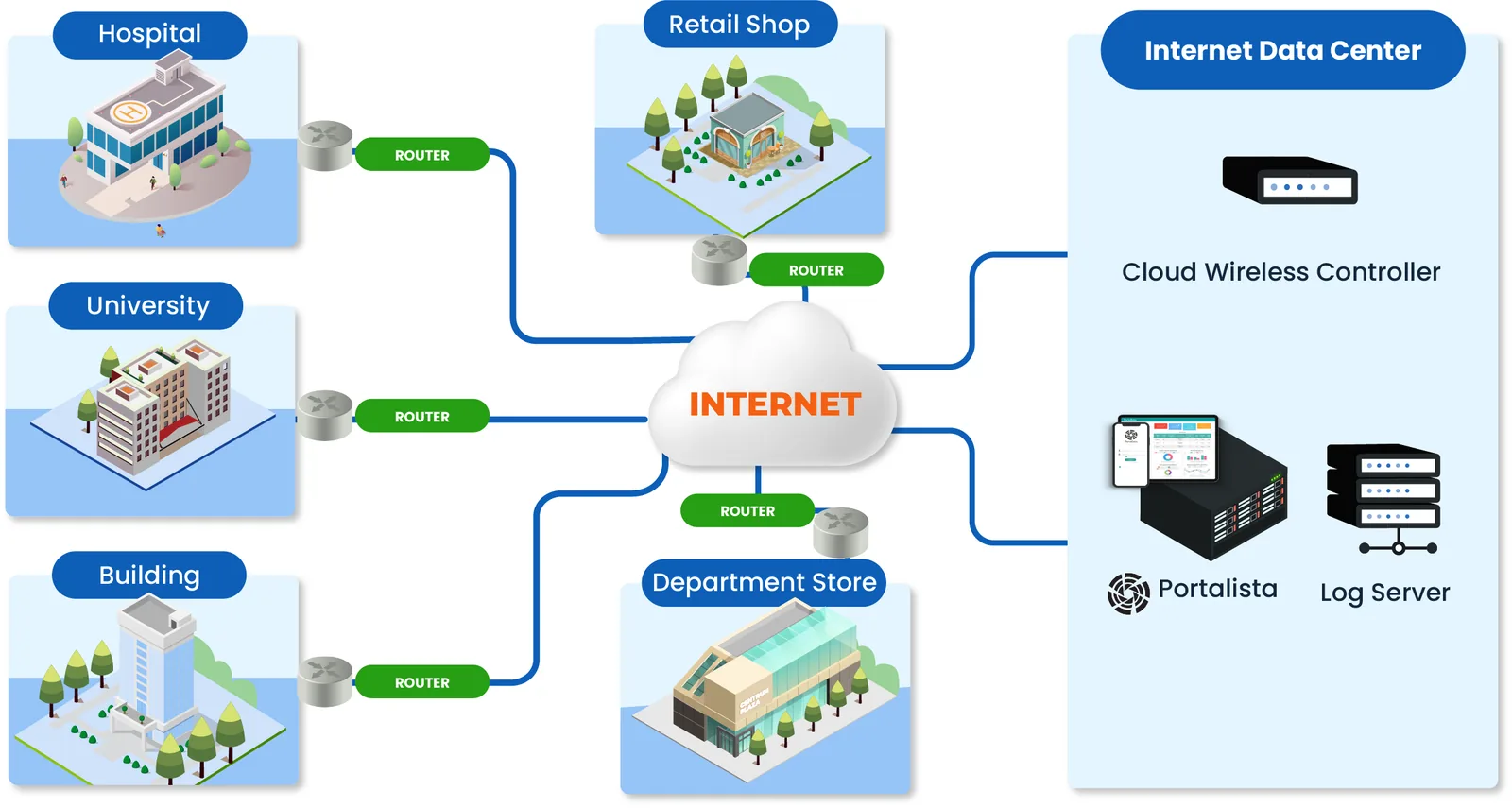
Portalista includes a remote traffic log server that automatically stores session and access logs for an extended retention window, so you do not have to build log infrastructure yourself. Because each guest authenticates through the portal first, every session is tied to an identity and a timestamp, exactly what a lawful request would ask for.
Turn a liability into a routine
Retention only works if it is automatic. Asking staff to export logs by hand is unreliable. Letting the platform capture identity at login and store logs centrally makes compliance a background process. It pairs naturally with capturing guest details, which we cover in collecting guest data through a Wi-Fi login.
Need a Portalista hotspot solution?
Talk to our team about the specific needs of your project.